
Novent - Digital Lean Production System
Lean Glossary

Kaizen

Kaizen = 改善 (KAI-zen)

Kaizen is the belief that no process is ever finished. Small improvements, made by the people closest to the work, every day. The opposite of the big transformation project, and vastly more powerful over time.

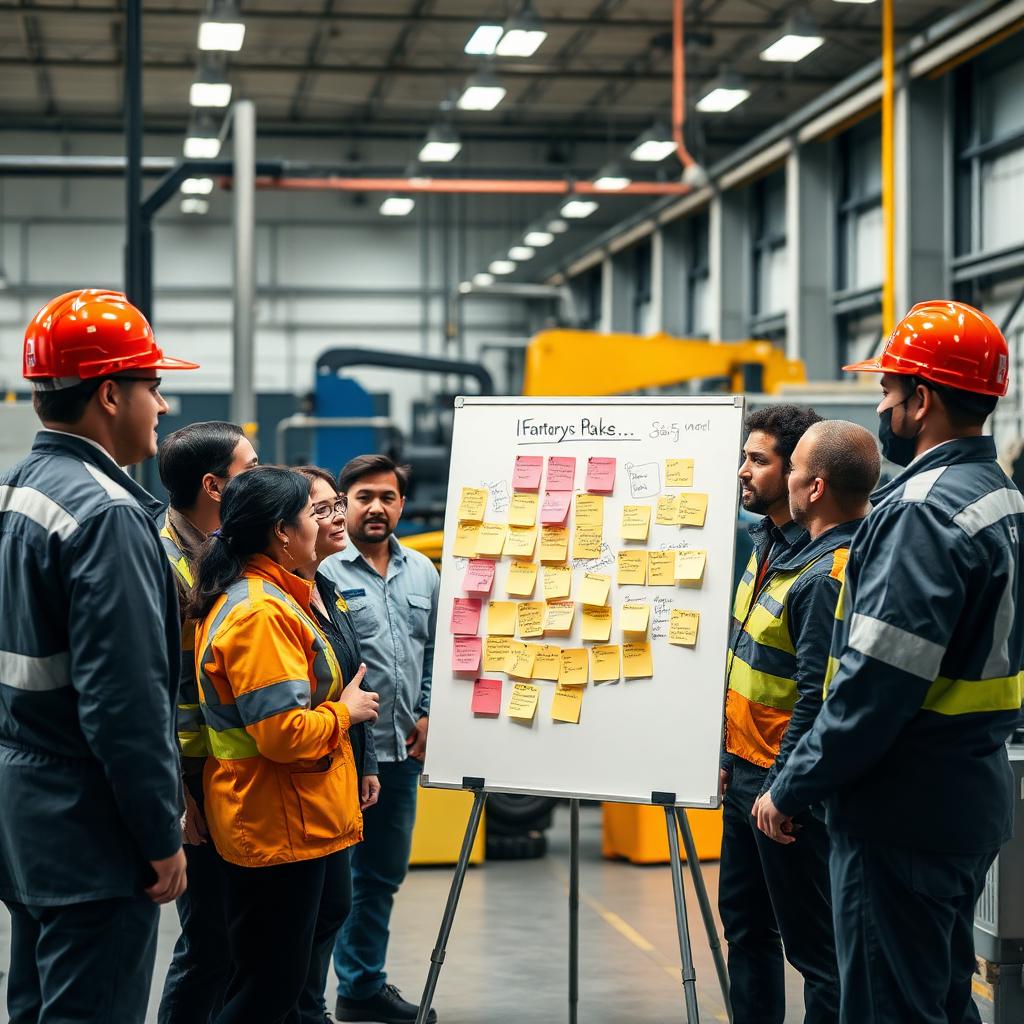
Cross-functional improvement team gathered around a Kaizen board on the shop floor

What it means

Kaizen (改善) combines kai ("change") and zen ("good"). Change for the better. In practice it is a habit: every operator, every day, sees waste and improves the process by a small amount. Over a year, thousands of tiny improvements compound into a factory that looks nothing like it did.

Kaizen vs. innovation

Innovation is a leap, a new machine, a new line, a new product. Kaizen is a slope, continuous, gradual, cumulative. Both matter, but organizations that rely only on innovation get stuck between big projects. Organizations that master Kaizen improve every single day, whether or not a project is running.

How to run it

Structured Kaizen events (sometimes called Kaizen blitzes) take a cross-functional team offline for a few days to redesign a specific area. Daily Kaizen is smaller: an operator suggestion box, a short standup at a Kaizen board, PDCA cycles run at the team level. The best systems combine both, events for big changes, daily practice for the rest.

The cultural condition

Kaizen only works when it is safe to say "this is broken." That means leaders who respond to problems with curiosity rather than blame, and standards that are treated as the current best-known method rather than the final answer.